

Inflatable Seals.
Pneumatically actuated seals for door sealing, industrial isolation, pipeline testing and equipment protection. Fabric reinforced and non-reinforced constructions.
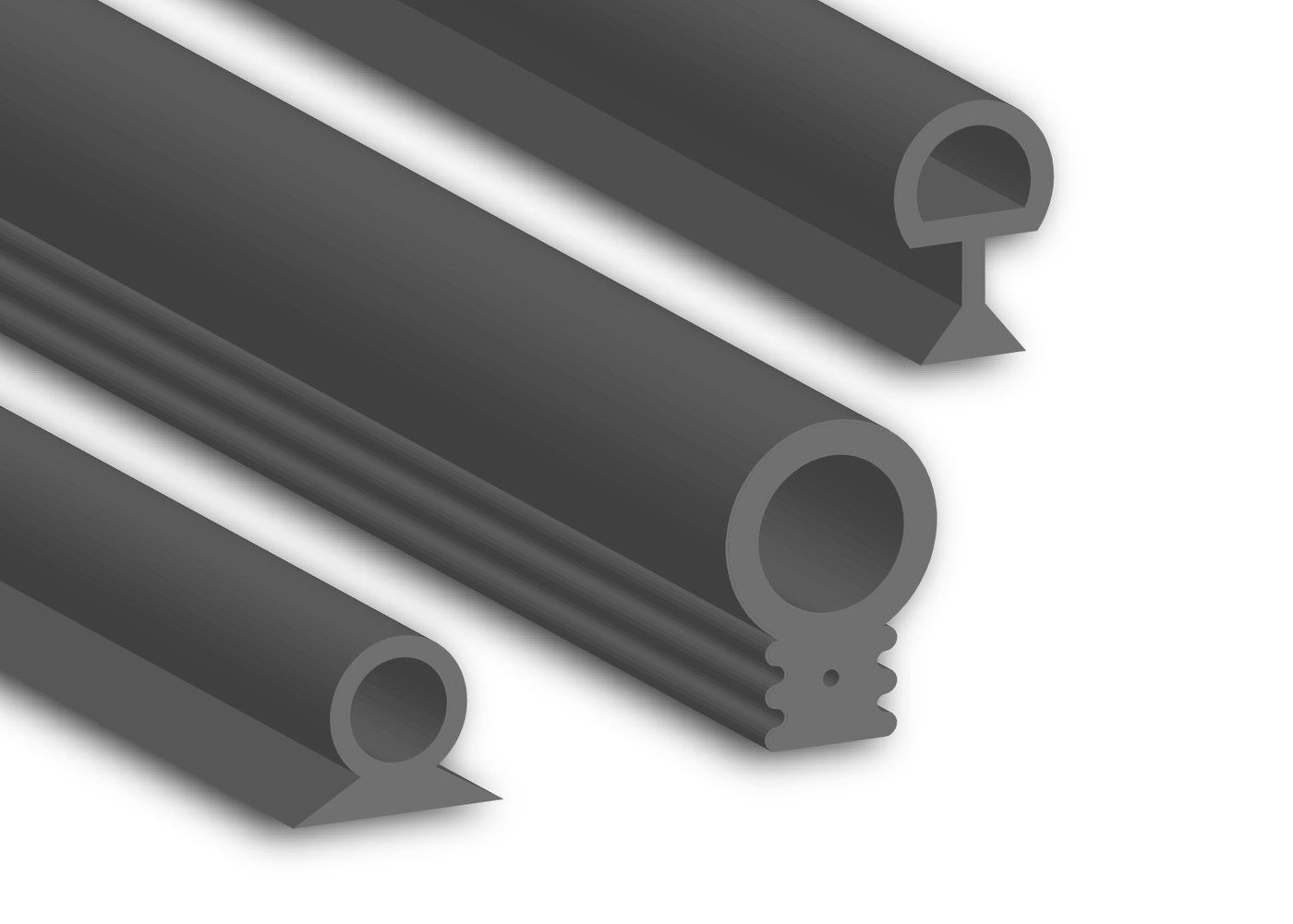
A seal that opens on command.
Most seals create permanent contact. An inflatable seal does the opposite — it seals only when pressurised. Inflate with low-pressure air and the seal expands to fill the gap across the full perimeter of the mating surface. Release pressure and the seal retracts.
Santoo supplies fabric reinforced and non-reinforced constructions. Custom profiles are produced to drawing or to sample.
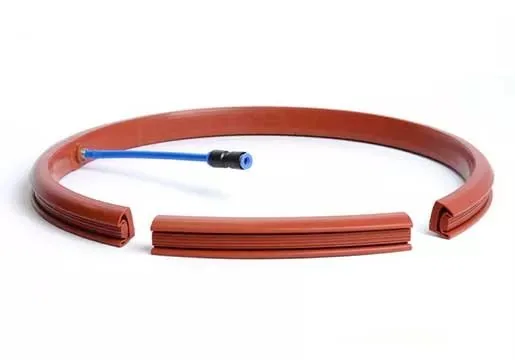
Construction types.
| Fabric reinforced | Elastomer with internal textile reinforcement. Higher pressure capability, improved puncture resistance. Furnace doors, pipeline testing, marine hatches. |
| Non-reinforced | Unreinforced elastomer wall. More flexible profiles, lower inflation pressure. Clean-room door sealing, pharmaceutical processing. |
| Custom profiles | To drawing or sample — cross-section, perimeter length, material grade and inflation pressure all specifiable. |
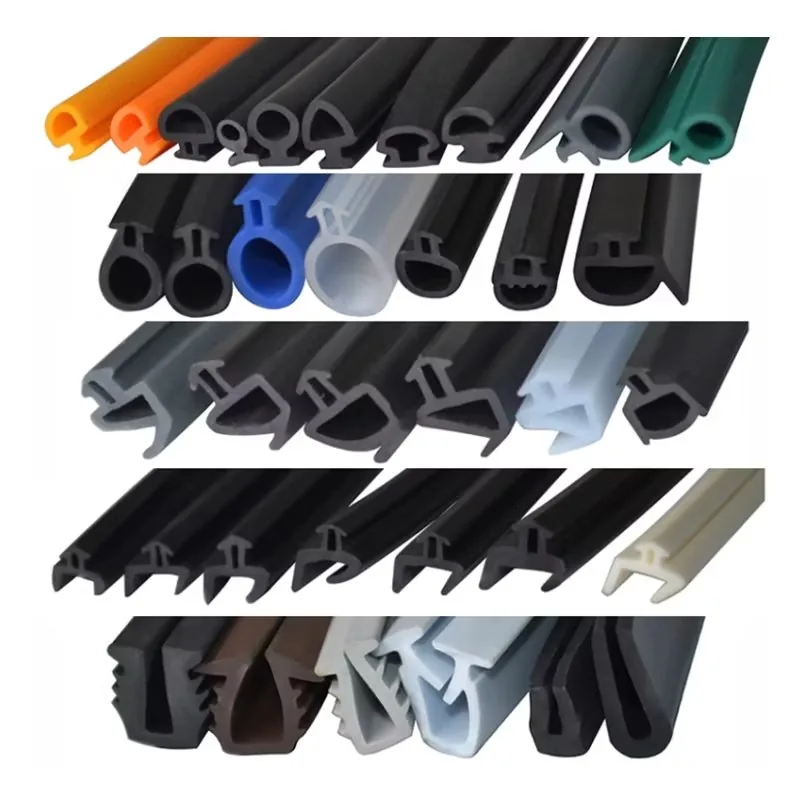
Where inflatable seals are specified.
Industrial oven and furnace door sealing, pharmaceutical clean-room isolation, pipeline pressure testing, marine hatch sealing and vacuum chamber door applications across GCC industry.

Common questions.
How does an inflatable seal work?
A hollow elastomer profile mounts in a groove. Pressurised with air it expands to seal across the full mating surface perimeter. Release pressure and it deflates, opening the gap.
Fabric reinforced vs non-reinforced?
Fabric reinforced seals have an internal textile layer giving higher pressure capability. Non-reinforced suits clean-room and pharmaceutical door sealing at lower inflation pressures.
Can inflatable seals be supplied to a custom profile?
Yes. Cross-section, perimeter length, material grade and inflation pressure all specifiable to drawing or sample.

Open a conversation
Talk to our team about your sealing or hydraulic service requirement.