
Rod & Surface
Restoration.
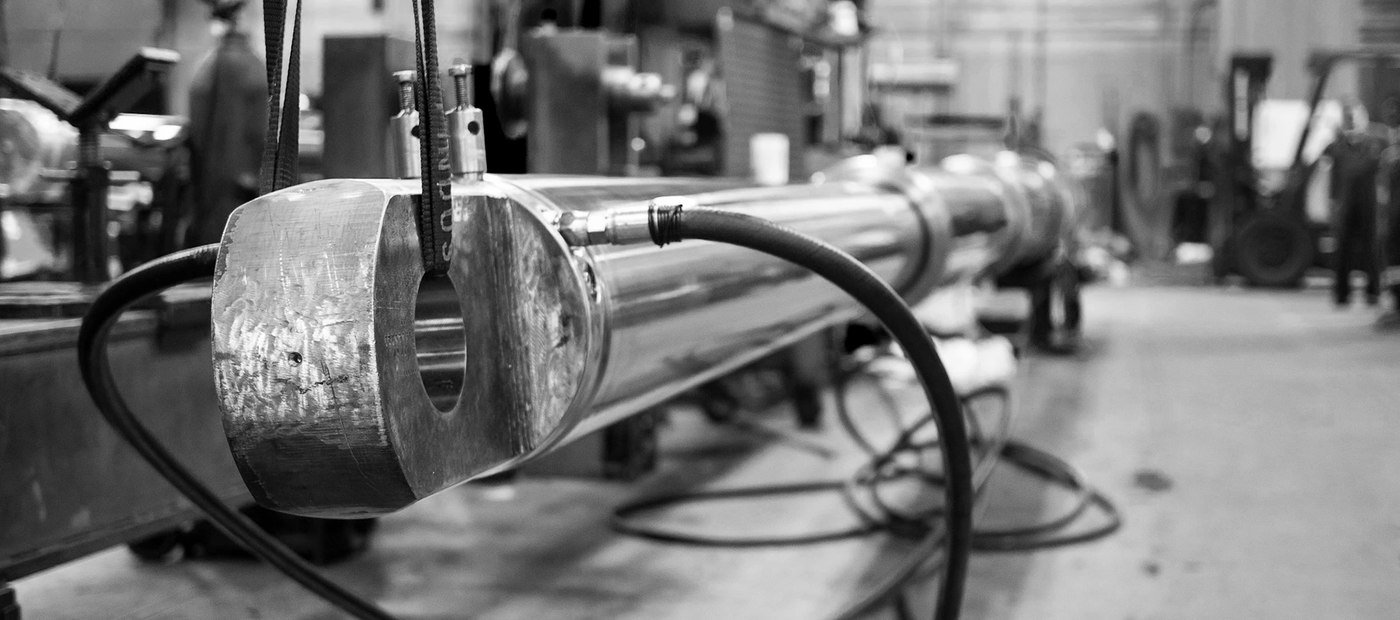
Hard chrome plating, straightening and polishing for hydraulic rods. Ra 0.2 µm surface finish. Maximum rod length 9,000 mm. KEZAD, Abu Dhabi.
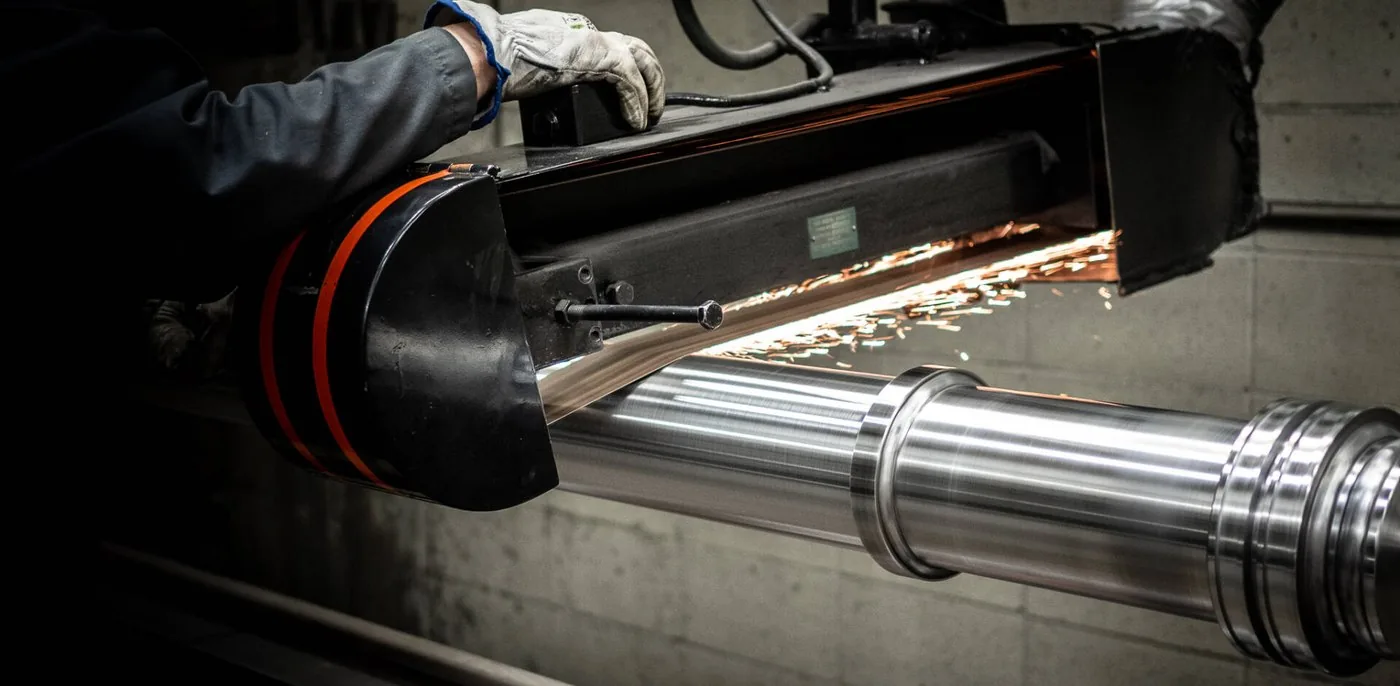
The rod surface is where seal failure starts.
Pitting, scoring and corrosion on a hydraulic rod destroy seal life from the outside in. A worn rod does not just leak — it abrades the new seal from the first stroke. Restoration to specification is not cosmetic; it is the condition on which the seal's service life depends.
Santoo's rod restoration line returns the running surface to specification — hard-chrome plated, straightened and polished to a mirror finish — so the rebuilt cylinder performs as intended from the moment it goes back into service.
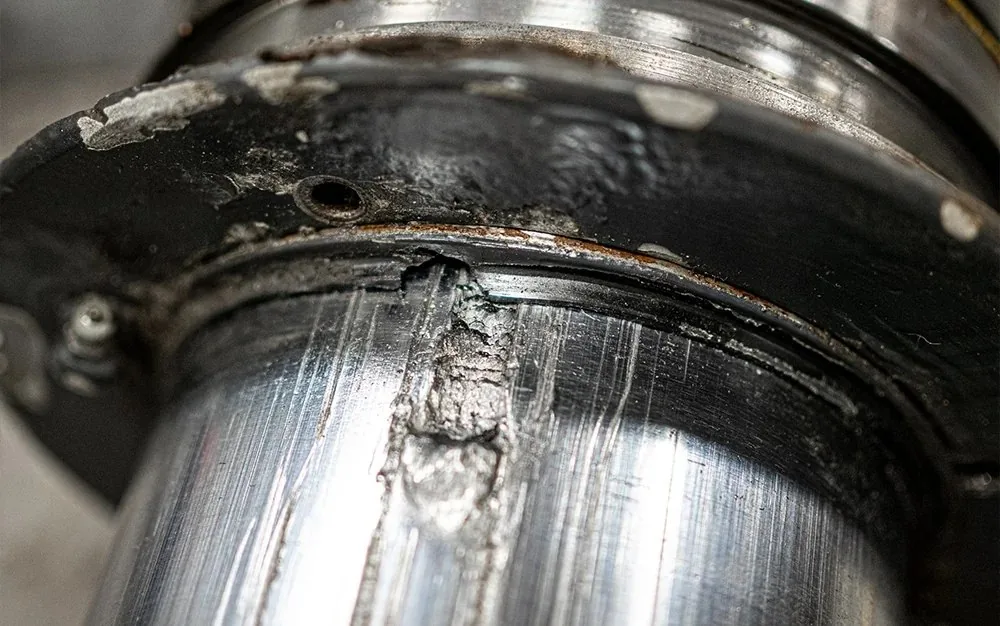
Rod restoration specification.
| Maximum rod length | 9,000 mm |
| Chrome layer thickness | 20 – 60 µm |
| Surface finish | Ra 0.2 µm |
| Straightness tolerance | 0.1 mm / m |
| Post-plating hardness | 900 – 1,100 HV (Vickers Hardness) |
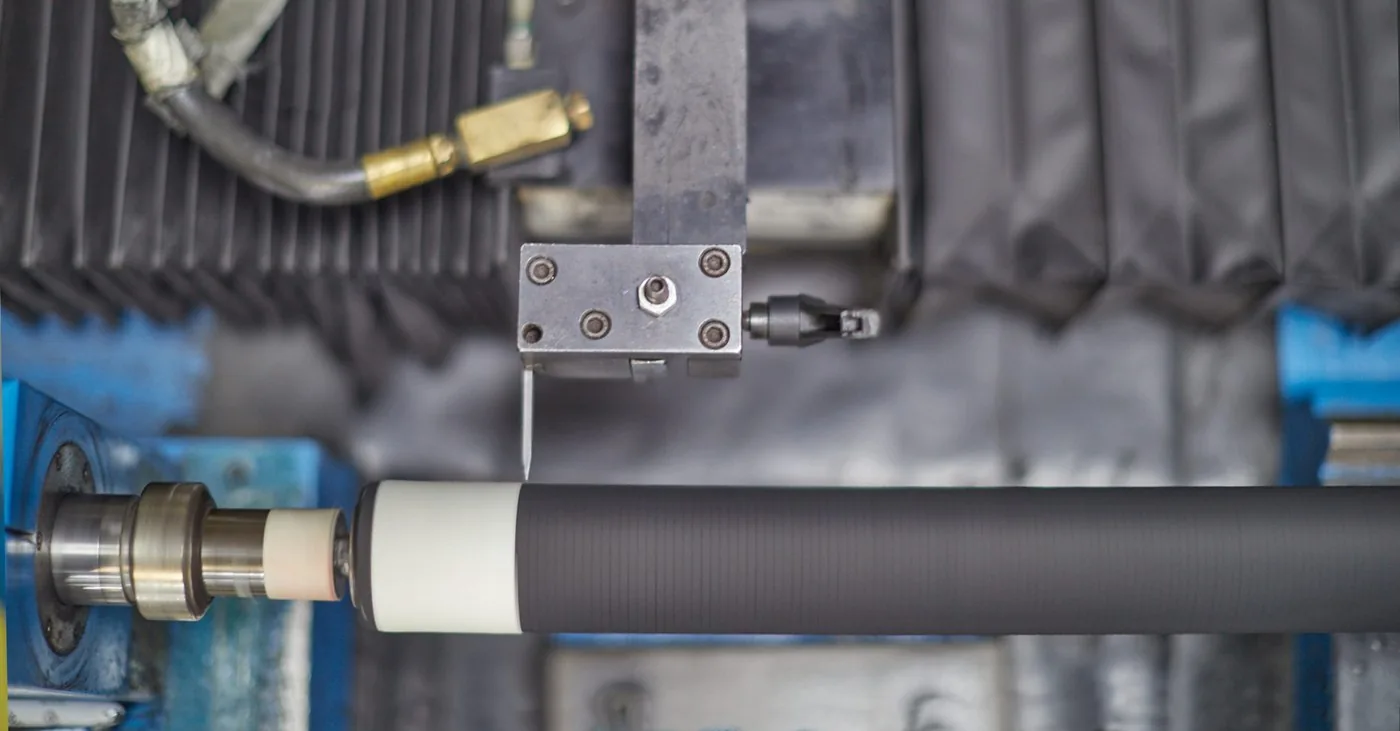
Where this service runs.
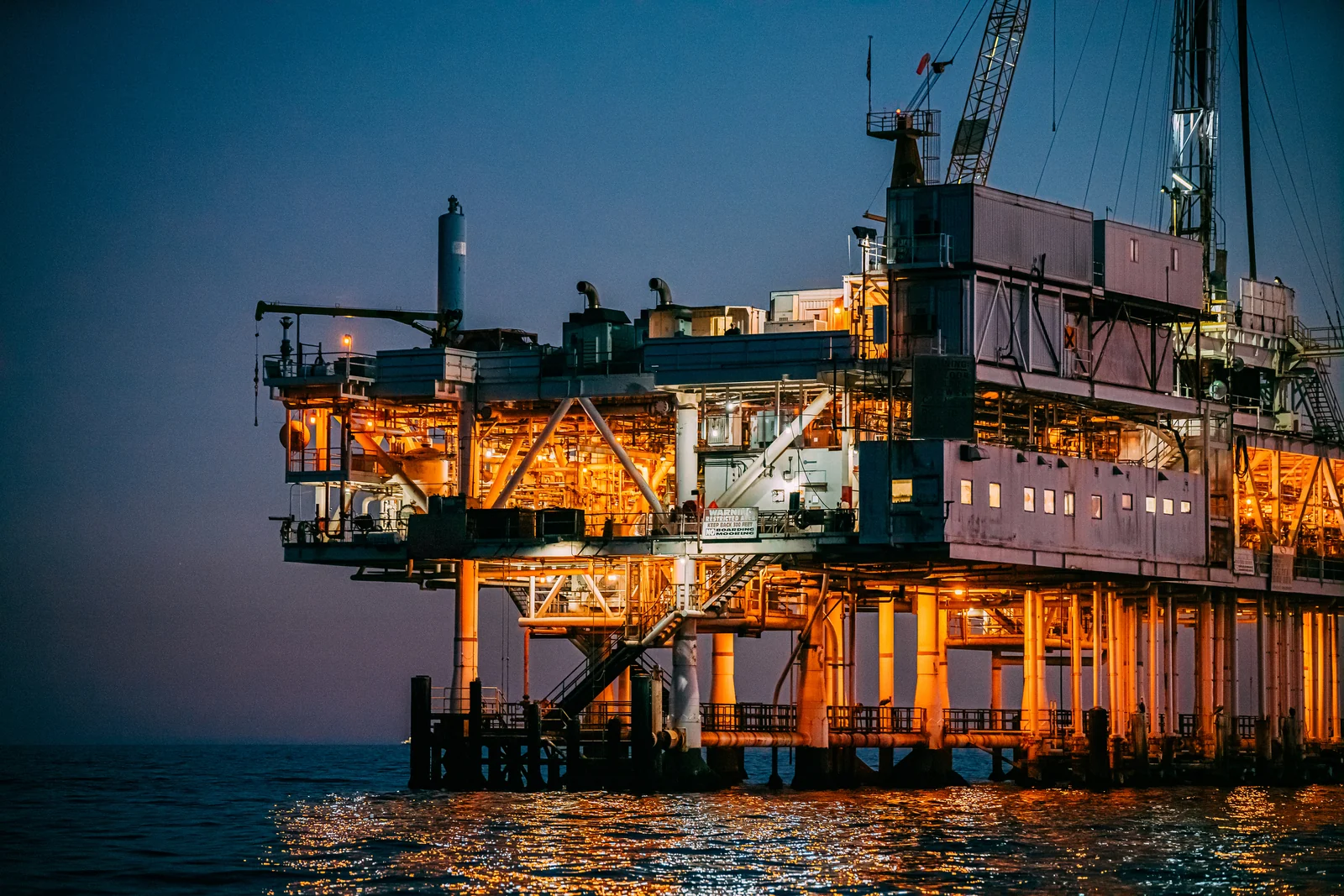
Hydraulic cylinder rods across GCC heavy industry — crane and rigging equipment, offshore deck cylinders, marine steering gear, mobile plant, and production equipment in oil and gas, cement, steel and power generation facilities.
Common questions.
What surface finish does the process achieve?
Ra 0.2 µm — a mirror finish. This is the surface quality required for hydraulic rod seals to achieve full service life.
What chrome layer thickness is applied?
20 to 60 µm. Post-plating hardness is 900 to 1,100 HV.
What is the maximum rod length?
Up to 9,000 mm. Both straightening and plating operations are accommodated at this length in the KEZAD facility.
Why does straightening happen before plating?
A rod plated without correcting its straightness runs eccentric against the seal from the first stroke. Straightening to 0.1 mm/m is performed before any chrome is applied.
Open a conversation
Talk to our team about your sealing or hydraulic service requirement.