
Nut Busting.
Hydraulic gland nut removal for heavy mining, marine and industrial cylinders. 60,000 Nm maximum torque. Reaction-arm method — no damage to mating surfaces. KEZAD, Abu Dhabi.
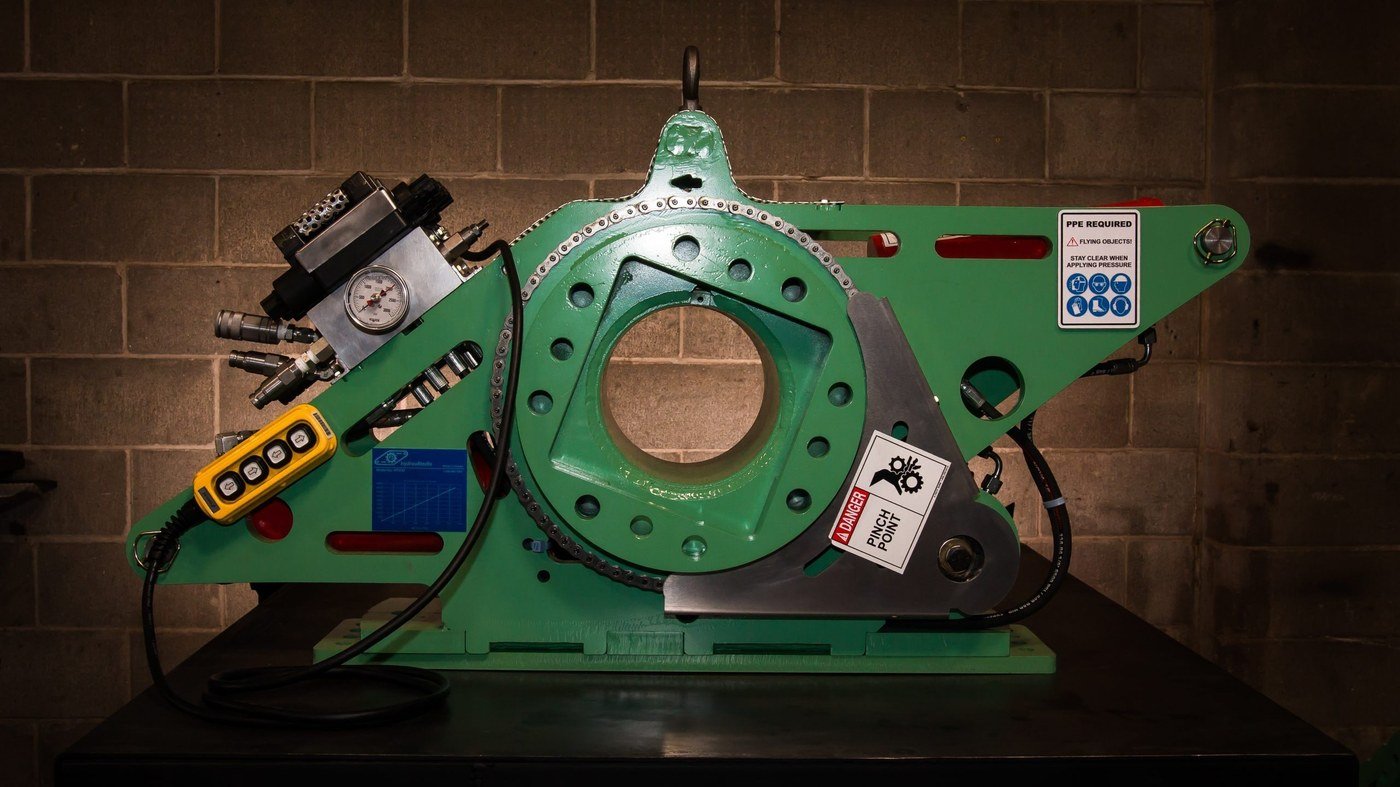
A gland nut that cannot be broken loose turns a service job into a replacement job.
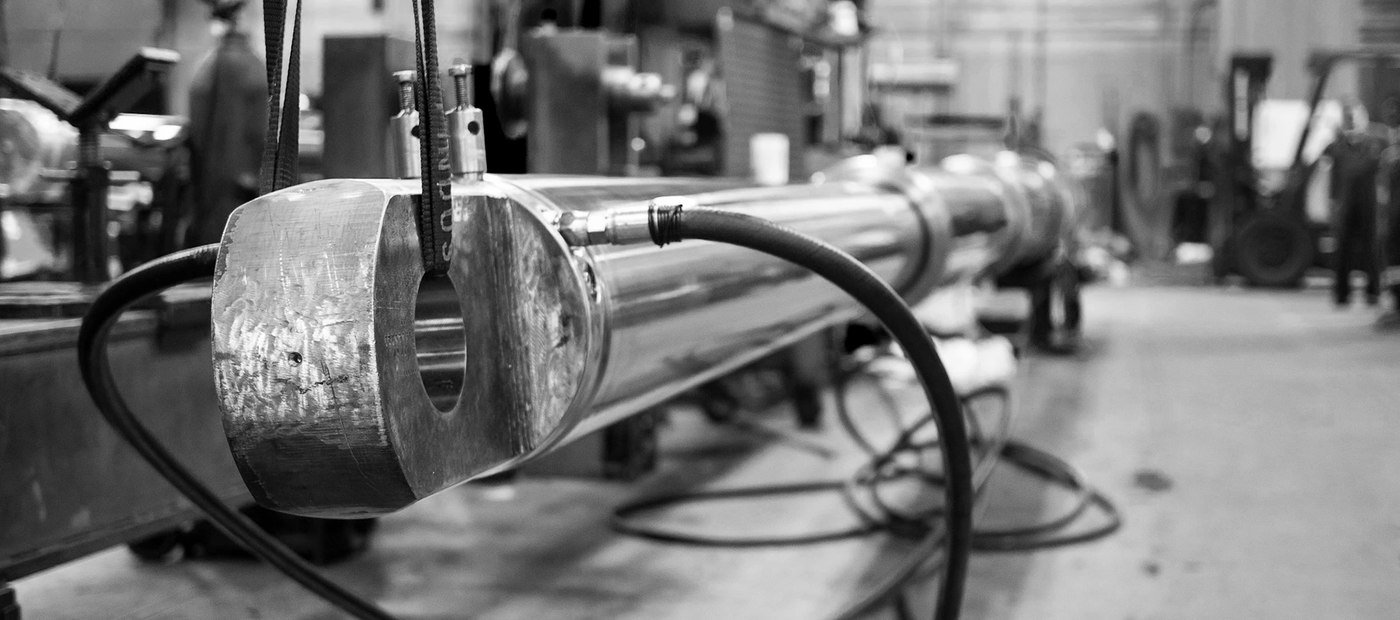
Gland nuts on heavy mining, marine and industrial cylinders can require tens of thousands of Newton-metres to break free. Corrosion, seizure and contamination all compound the problem. Conventional methods — bars, hammers, heat — either fail or damage threads, flanges or the gland face in the process.
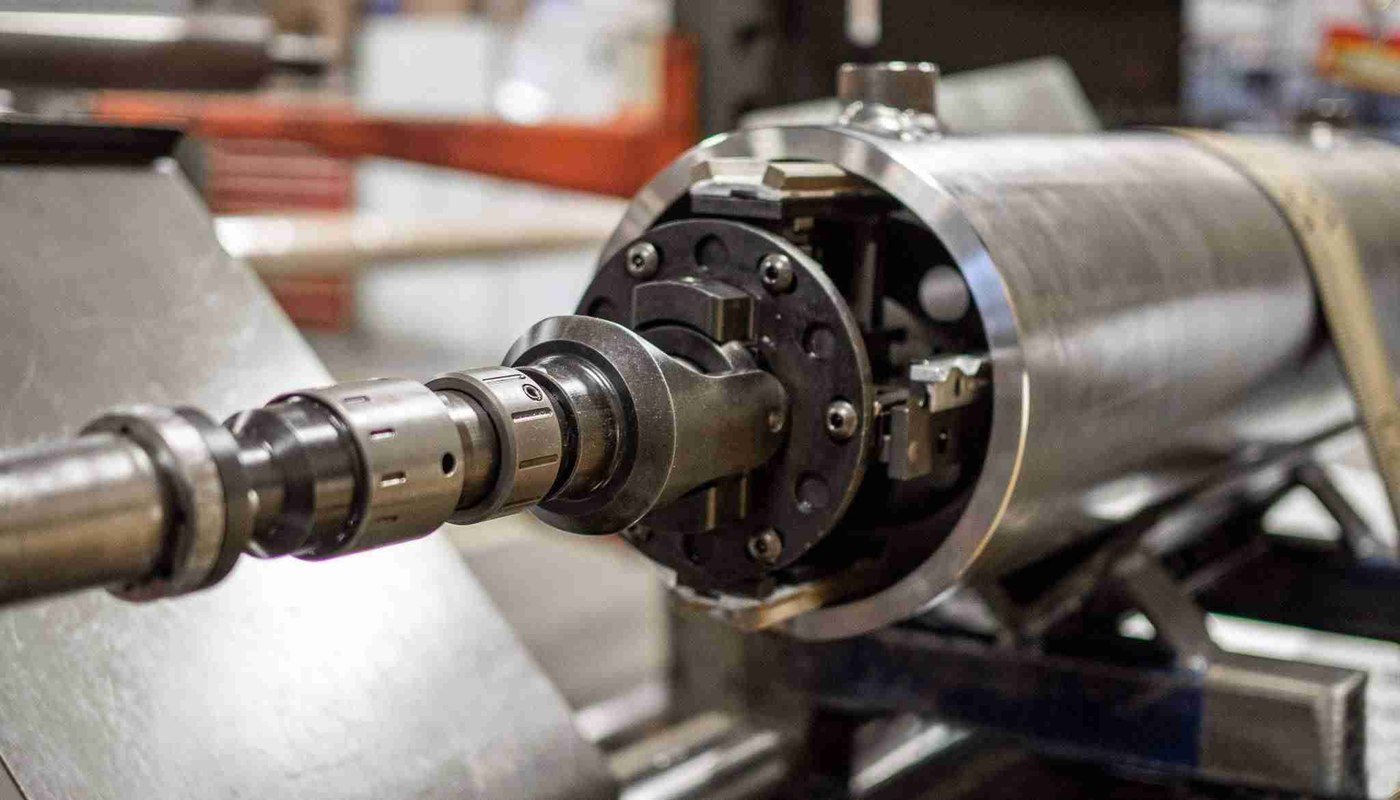
Santoo's dedicated nut-busting station removes the largest gland nuts hydraulically, with a reaction-arm assembly that directs force into the nut and away from the cylinder's mating surfaces. The cylinder is supported on the station throughout the operation.
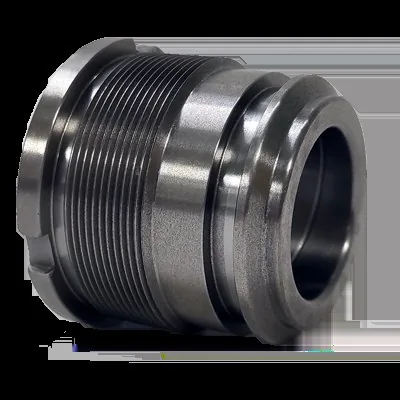
Station specification.
| Maximum torque | 60,000 Nm |
| Maximum nut diameter | Ø 600 mm |
| Supported cylinder weight | Up to 12 tonnes |
| Method | Hydraulic, reaction-arm |
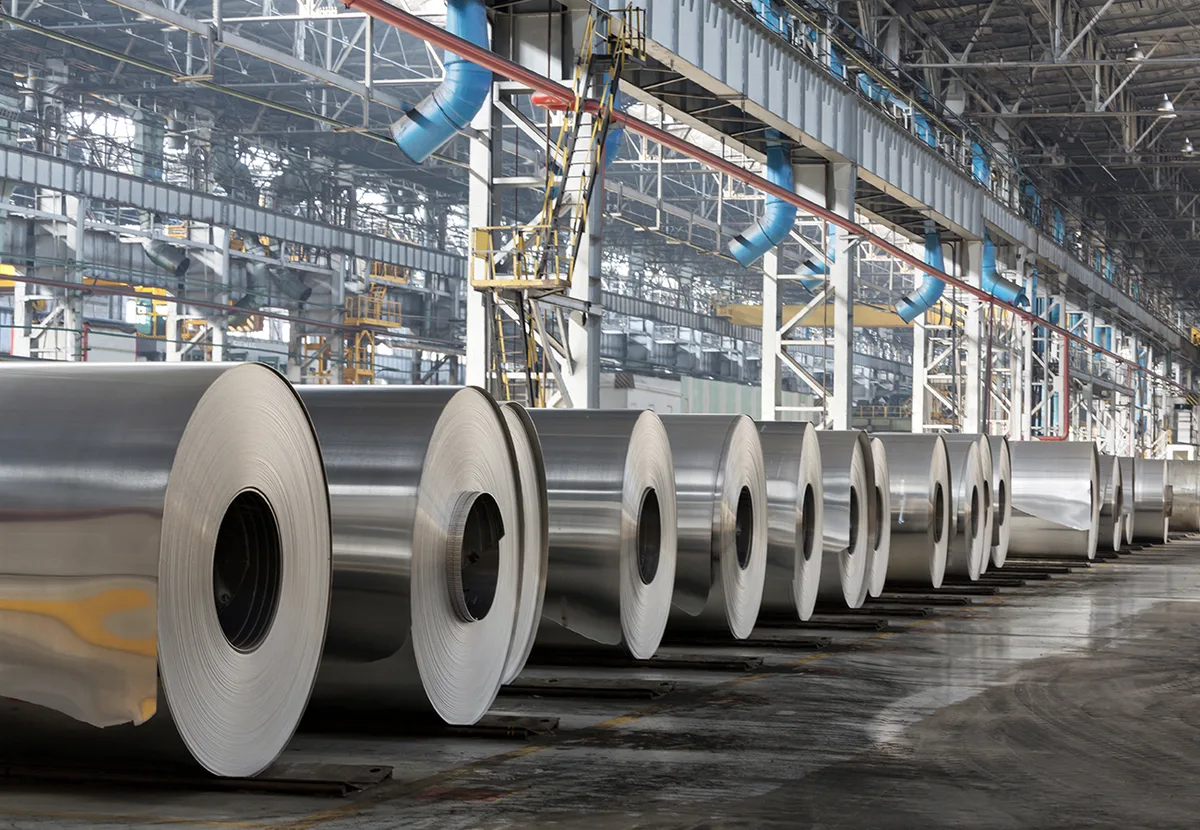
Where this service runs.
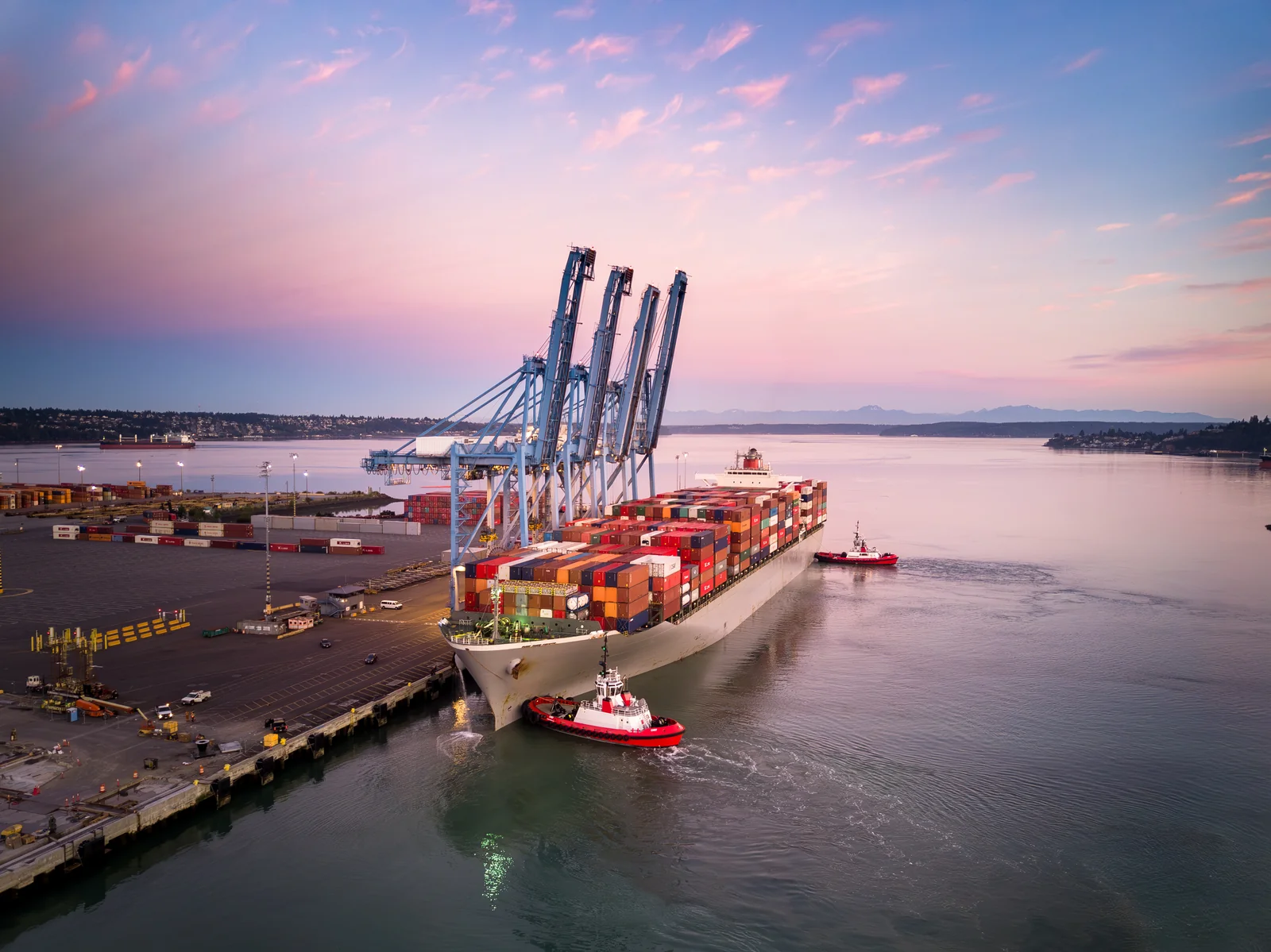
Mining excavator and dump truck cylinders, marine crane and steering cylinders, port handling equipment, offshore deck cylinders, and heavy press cylinders in steel and cement production throughout the GCC.
Common questions.
What is the maximum torque the station can apply?
60,000 Nm. Applied hydraulically through a reaction-arm assembly that protects the cylinder's mating surfaces.
What cylinder weight can the station support?
Cylinders up to 12 tonnes are supported on the station during stripping.
Why hydraulic nut busting instead of conventional methods?
Conventional methods risk damaging threads, flanges or the gland face. Hydraulic actuation applies controlled torque without shock loading.
What is the maximum nut diameter?
Up to Ø 600 mm.
Open a conversation
Talk to our team about your sealing or hydraulic service requirement.